<p>Bulk Waste Storage Buildings</p>

Bulk Waste Storage Buildings

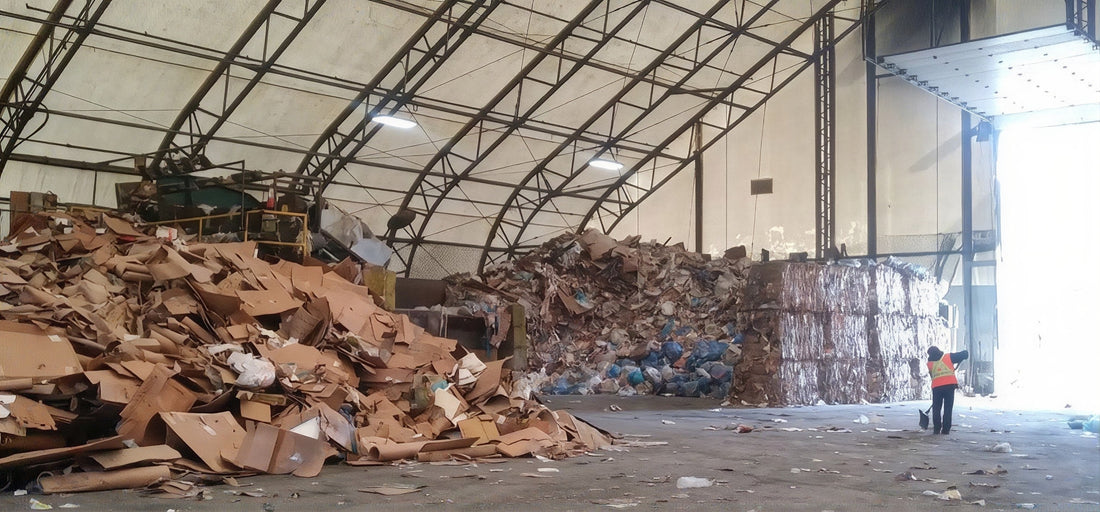
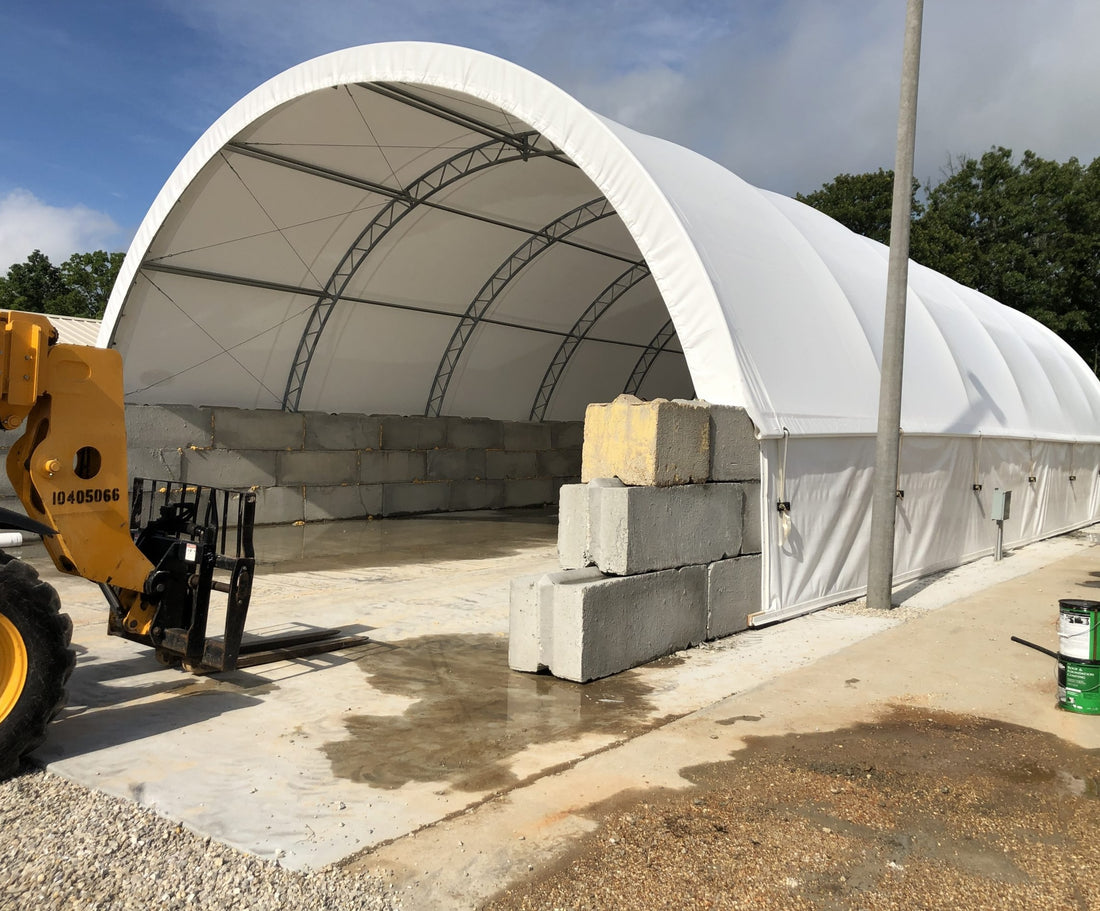
Our bulk waste storage buildings provide covered space for stockpiles, loose materials and waste streams waiting for sorting, recycling, processing or removal. We configure the building around pile volume, loader access, material separation and the site controls required for the accepted material.

Covered Storage for Bulk
Waste & Recyclable Materials

Sheltirx waste storage is different from a transfer station’s short-turnover holding area. These facilities need capacity for materials that remain on site while waiting for processing, recycling or scheduled removal. Covered storage can help limit direct weather exposure and provide a defined area for loader and truck activity.

The suitable design depends on what the site accepts. Clean wood, recyclable material, construction debris and mixed waste can have different handling, fire, drainage and environmental requirements. The building should not be specified until the accepted material streams and applicable site rules are clear.

Size Storage Around
Volume & Loader Reach

The building’s useful capacity depends on stockpile footprint and height, how material is delivered, and how it will be removed. A site also needs space for the loader to approach a pile, turn, lift and load a truck. Maximizing the theoretical pile volume without allowing working clearance can make everyday handling inefficient.

We can configure span, length, height and access openings around the material and equipment used. If more than one waste stream is stored, mark out distinct areas and plan enough clearance for loaders to work without mixing piles. The number and placement of openings should reflect the route trucks take to deliver and collect material.

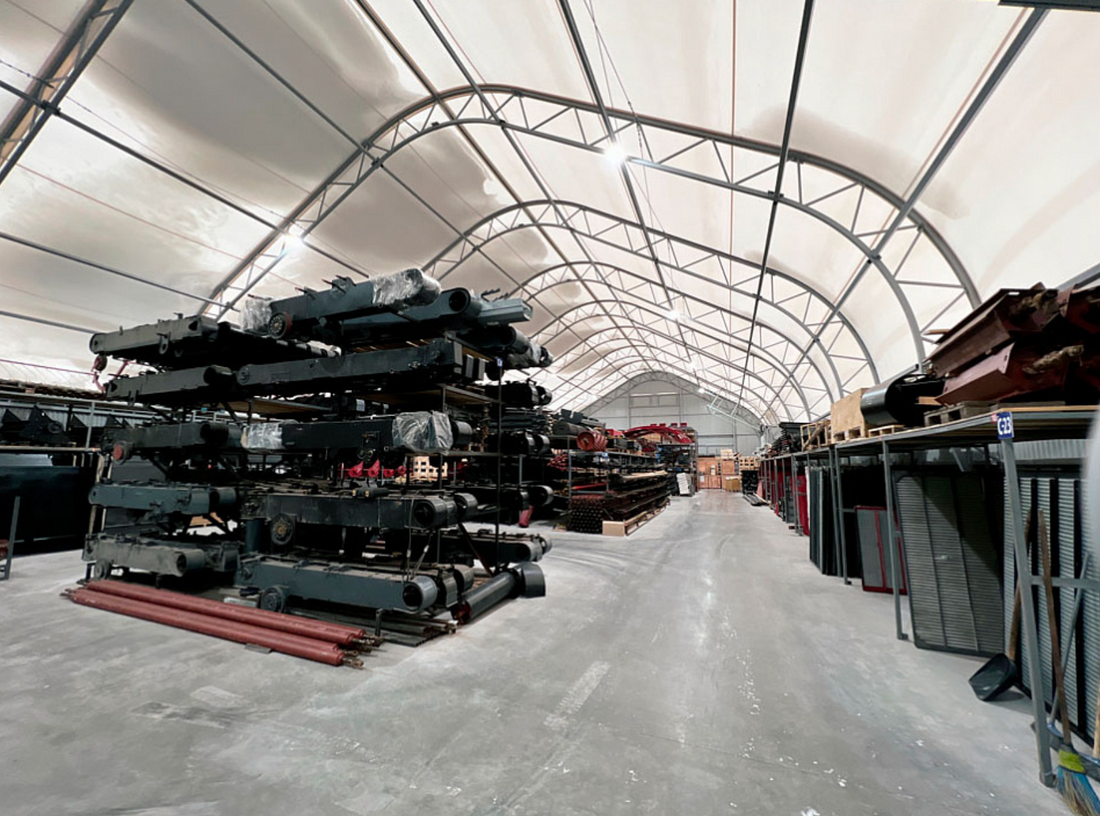
Where conveyors, screens, shredders or other processing equipment are used, service access and equipment clearances should be included in the layout. Bulk storage space and processing space may work under the same roof, but each function needs enough area to avoid restricting the other.

Reduce Weather Exposure
& Keep Materials Segregated

Rain, snow and wind can affect the condition and handling of many bulk materials. A roofed storage area can reduce direct exposure and help create a more predictable loading environment. It does not remove the need to manage moisture, dust, contamination or runoff for the particular material.

Different materials may need to remain separated because of recycling specifications, contamination risk, fire risk or environmental permits. The layout should provide clear divisions or adequate spacing where necessary, together with a plan for identifying stockpiles and controlling incoming loads.

Waste streams that can produce runoff, dust, odour or leachate may require additional flooring, drainage, containment, ventilation or treatment systems. Those controls should be designed for the site and material. A fabric building is the covered structure, not a substitute for the environmental measures required by the operation.

Plan Movement from Stockpile
to Processing or Dispatch

Bulk waste storage should be linked to the next step in the material’s journey. If a pile is destined for recycling, provide a practical route to the sorting or processing area. If material is stored until a scheduled collection, make sure trucks can approach the pile or loading point without crossing active work zones.

Stockpile rotation can also affect the layout. New material may need to be placed without blocking older material scheduled for removal. With several material streams, the plan should account for the sequence of delivery, storage, processing and dispatch to limit double handling.

Site circulation, delivery timing, equipment availability and the required pile capacity should be considered together. These are operating questions as much as building questions, and resolving them early helps determine the most useful footprint and openings.

Engineered for Material
Loads & Site Conditions

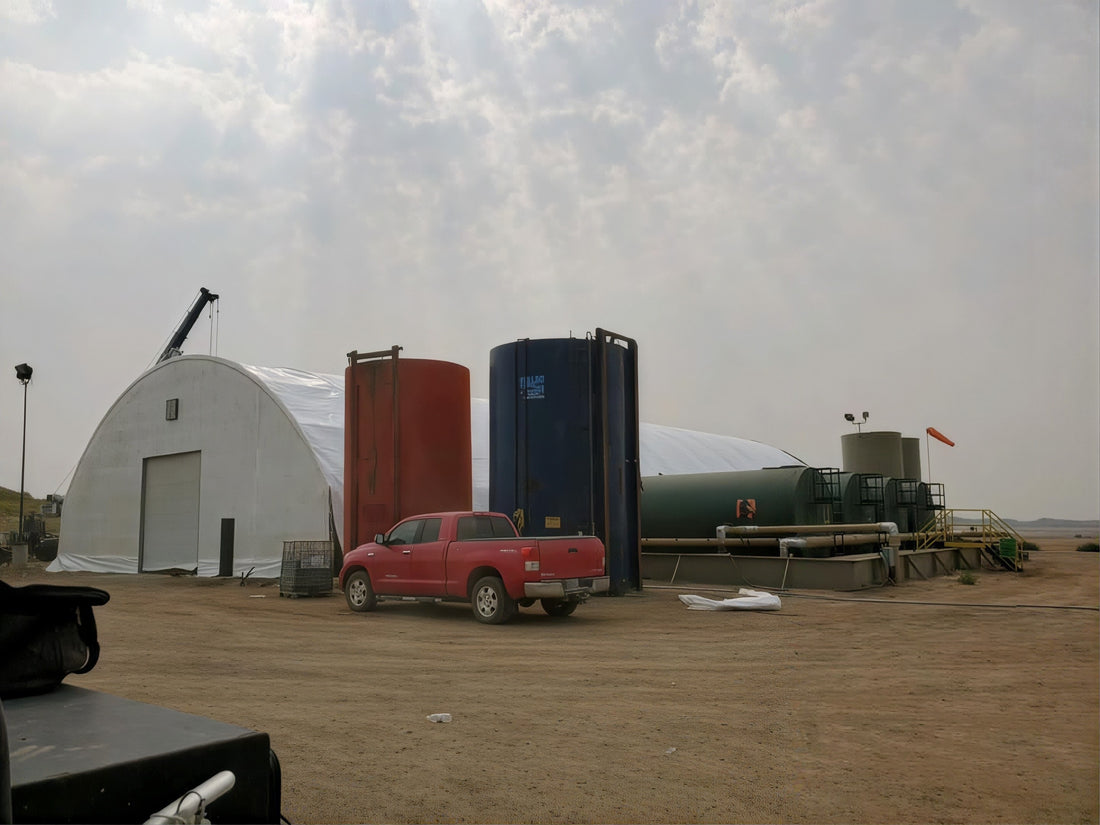
We can engineer the structure for applicable wind and snow loads, dimensions, openings, foundations, anchoring and local building requirements. The design must also reflect the site’s equipment access and the environmental controls associated with the accepted material streams.

Our buildings use hot-dip galvanized steel framing for corrosion resistance and long-term structural performance. We publish a 20-year structural guarantee, a 10-year fabric guarantee and a 5-year spare-parts warranty, subject to the selected configuration and applicable terms. Correct drainage, foundations, anchoring and ongoing inspection remain important to facility performance.

Add Covered 
Capacity for Bulk Waste

Tell us which materials will be stored, the approximate pile volume, how loaders and trucks will operate, whether the building will include processing equipment and where the site is located. We can develop a configuration around the material flow and project requirements.

Frequently Asked Questions

What materials can be stored in a bulk waste storage building?

Bulk waste storage buildings can accommodate construction debris, recyclables, wood waste, green waste and other recovered materials, depending on site requirements.

How do I determine the required size of a bulk waste storage building?

Consider stockpile volume, pile height, delivery frequency, loader access and the space needed for trucks to move and load materials.

Can a bulk waste storage building accommodate multiple material streams?

Yes. The layout can include separate storage areas for different materials, based on segregation needs, contamination risks and applicable site requirements.

How does a covered building help with bulk waste storage?

A covered building reduces direct exposure to rain, snow and wind while providing a defined area for storing and handling bulk materials.

Can loaders and trucks operate inside a bulk waste storage building?

Yes. Building dimensions, openings and turning clearances can be planned around the equipment and vehicles used at the facility.

Can processing equipment be installed in a bulk waste storage building?

Yes. Equipment such as conveyors, screens and shredders can be considered during layout planning, subject to space, access and project requirements.

What environmental controls may be needed for bulk waste storage?

Depending on the stored materials, the site may require drainage, runoff management, dust control, ventilation, suitable flooring or containment systems.